When You Need a Roof Inspection Austin Homeowners Can Trust
Why a professional roof inspection matters more than you think
Most homeowners in Austin don't think about their roof until something goes wrong. A leak during a heavy spring rain, a missing shingle after a windstorm, or the sudden discovery of water stains on the ceiling. By then, the damage is already done, and the repair bill is higher than it needed to be. That is why scheduling a routine roof inspection austin residents can rely on is one of the smartest maintenance decisions you can make. A thorough inspection catches small problems before they become expensive emergencies.
I have spent years working with roofs across Central Texas, and I can tell you that the climate here is tough on roofing materials. The summer heat bakes asphalt shingles until they curl and crack. Hail damage is a real threat during spring storms, and wind uplift can peel back flashing or loosen tiles in minutes. A good inspector knows what to look for in each season and can give you a clear picture of your roof's condition. That is why the phrase roof inspection austin should bring to mind more than just a quick look from the ground. It means a systematic evaluation of every layer of your roofing system.
What a proper inspection covers
A real roof inspection is not a walk around the house with binoculars. It involves getting up on the roof, checking the condition of the materials, examining flashings, vents, and penetrations, and looking inside the attic for signs of moisture or poor ventilation. Thermal imaging inspection has become a standard tool for many professionals because it can reveal hidden moisture trapped under the surface. A drone roof survey is also useful for steep or tall roofs where walking is unsafe, but it should never replace a hands-on inspection of vulnerable areas.
Here is what a thorough inspection should include:
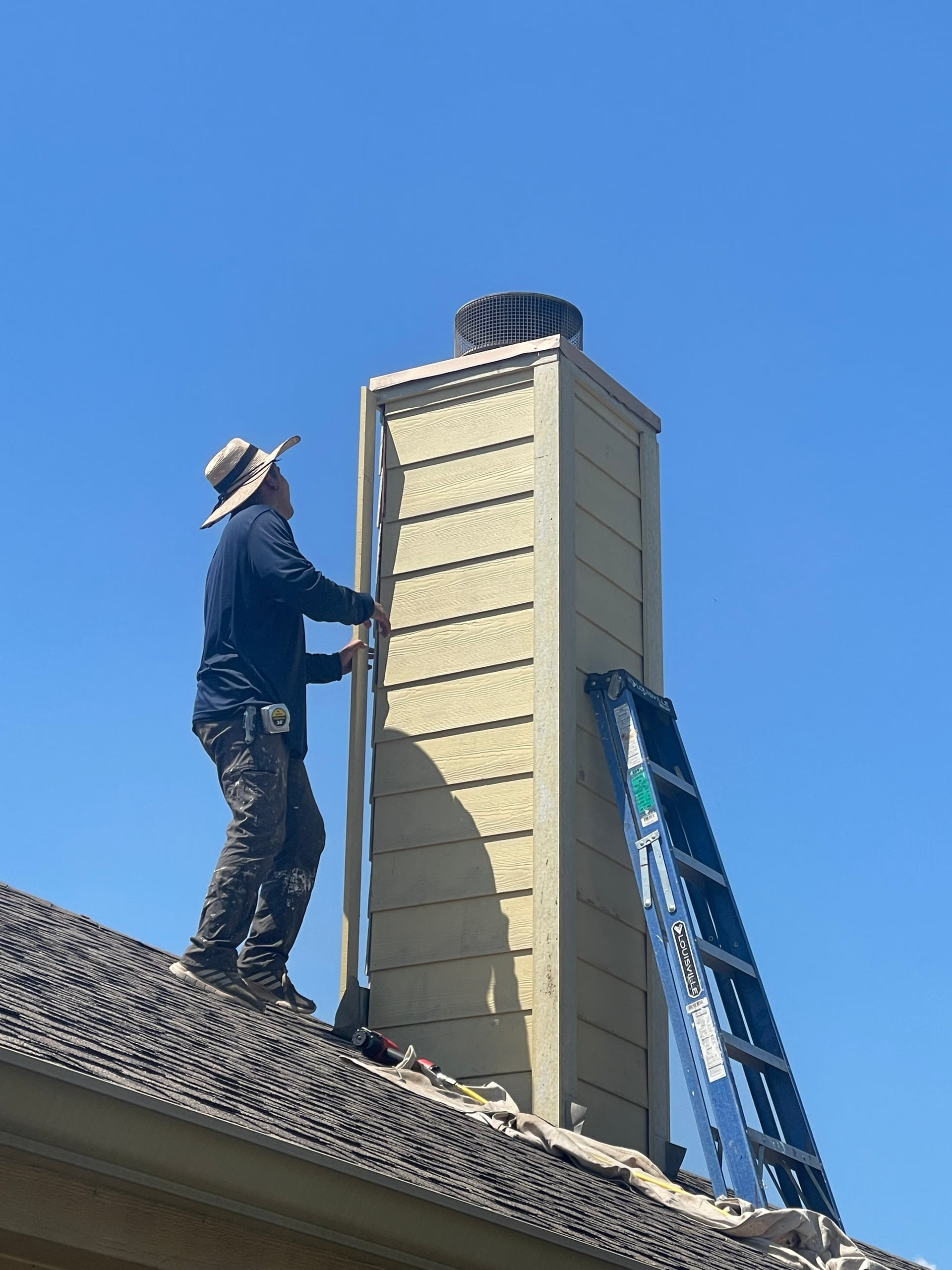
- Visual check of all roofing materials: asphalt shingles, tile roofs, standing seam metal roofs, flat roof systems, TPO membrane, EPDM rubber roofing, and built-up roofing (BUR) each have their own failure points.
- Examination of flashings, vents, skylights, and chimney boots where leaks most often start.
- Attic inspection for insulation condition, roof ventilation, and signs of past or active water intrusion.
- Gutter and downspout check for clogs, rust, or separation that can cause ice dam prevention issues in colder months.
For commercial buildings with flat roof systems, the inspection may also involve checking the integrity of the TPO membrane or looking for blisters in built-up roofing. Each system has its own lifespan and failure patterns. An inspector who knows the product lines from manufacturers like GAF, Owens Corning, CertainTeed, Atlas Roofing, and TAMKO can tell you whether your roof is performing as expected or showing early signs of trouble.
Why experience and local knowledge matter
Austin has its own building codes, weather patterns, and common construction practices. An inspector who is familiar with the Roofing Contractors Association of Texas guidelines and works regularly with the Austin Board of Realtors will understand the local standards for a passing inspection. They also know which materials hold up best in this climate. For example, asphalt shingles from GAF or Owens Corning are popular here, but they need proper ventilation to avoid premature failure. Standing seam metal roofs look great and shed water well, but they require careful attention to expansion and contraction at the seams.
I once inspected a home in South Austin where the previous owner had installed a beautiful tile roof without proper underlayment. From the street it looked perfect. But a thermal imaging inspection showed moisture trapped under nearly every tile. The cost to fix that was far more than a simple inspection would have been. That is the kind of surprise a good inspection prevents.
When to schedule an inspection
Most experts recommend a professional inspection at least once a year, plus after any major weather event. Hail damage is obvious in some cases, but wind uplift can loosen materials in ways that are not visible from the ground. If you are buying or selling a home, a roof inspection is almost always required by lenders and recommended by the Austin Board of Realtors. Sellers who get an inspection before listing can address issues upfront and avoid surprises during negotiations. Buyers who skip it often regret it later.

You should also consider an inspection if your roof is approaching the end of its expected lifespan. Asphalt shingles typically last 20 to 25 years. EPDM rubber roofing can go 30 years with good care. TPO membrane might need attention after 15 to 20 years. Built-up roofing systems vary widely depending on the number of plies and the quality of the install. Knowing where your roof stands helps you plan for repairs or replacement without panic.
What to expect from the report
A professional inspection should produce a written report with photos, descriptions of any problems found, and a priority list for repairs. It should also include an estimate of remaining roof life and recommendations for maintenance. If the inspector finds issues, they should explain what caused them and what options you have. For example, if hail damage has dented metal flashings but the rest of the roof is sound, you may only need a spot repair. If wind uplift has loosened the seams on a standing seam metal roof, the fix might involve reseating clips and reinforcing the attachment points.
The best inspectors are honest about what can wait and what needs immediate attention. They do not try to upsell you on a full replacement when a repair will do. That is why working with someone who follows the code of ethics set by the Roofing Contractors Association of Texas matters. It gives you confidence that the advice is based on standards, not commissions.
Common mistakes homeowners make
One of the most common mistakes is assuming a new roof does not need an inspection. Even brand-new roofs can have installation errors, missing flashings, or inadequate ventilation. Another mistake is ignoring the attic. Roof ventilation is critical in Austin's hot climate because trapped heat and moisture can warp decking and shorten shingle life. Ice dam prevention is less of an issue here than in colder regions, but poor ventilation can still cause condensation problems in winter.
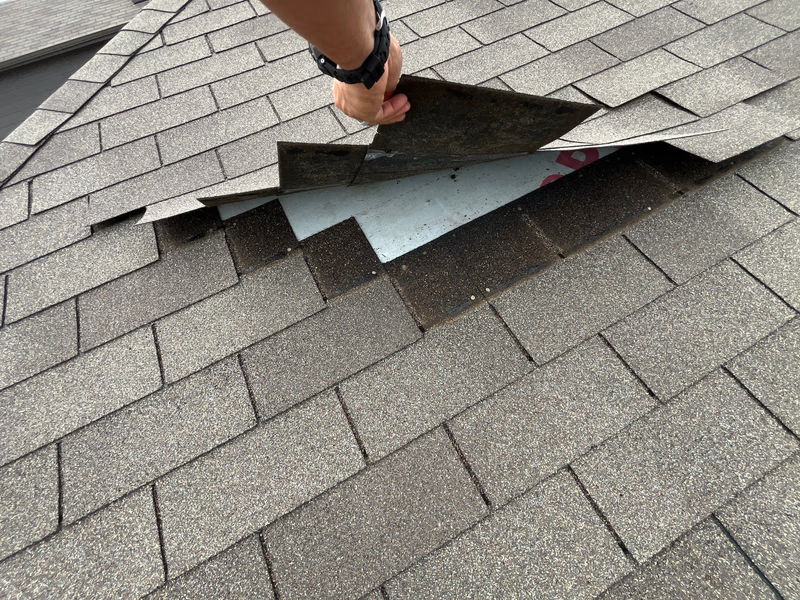
Some homeowners also try to inspect their own roofs. That is risky for safety reasons and because untrained eyes miss subtle signs. A cracked boot around a vent pipe or a small blister in a TPO membrane might not look serious, but a professional knows they are early warnings. Thermal imaging inspection and drone roof survey tools give pros an edge that a homeowner on a ladder simply does not have.
Final thoughts on keeping your roof in shape
A roof is a big investment. Whether you have asphalt shingles from CertainTeed, a TPO membrane from Atlas Roofing, or a classic built-up roofing system, regular care is the only way to get the full lifespan out of it. Scheduling a roof inspection austin homeowners trust is the first step toward that care. It gives you facts, not guesses, and lets you make informed decisions about your home. The peace of mind alone is worth the time and modest cost.